Source Rolling Swivel Medical Stool for Hospital Clinic Lab
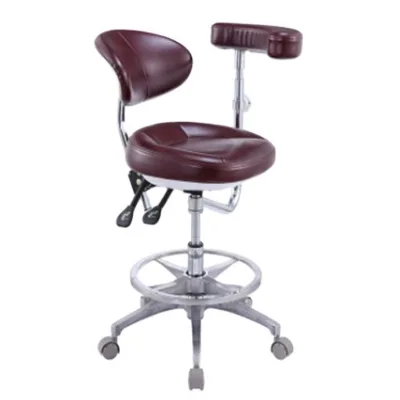
Compare 30 Rolling Swivel Medical Stool options from verified manufacturers. These adjustable stools feature stainless steel legs, leather cushions, and BIFMA-certified gas springs for use in hospitals, clinics, and research institutes.
Key considerations
Products List


Common Medical Assistive Furniture Doctor's Office Stools for Hospital
$99.00 - $299.00
MOQ: 10 Pieces




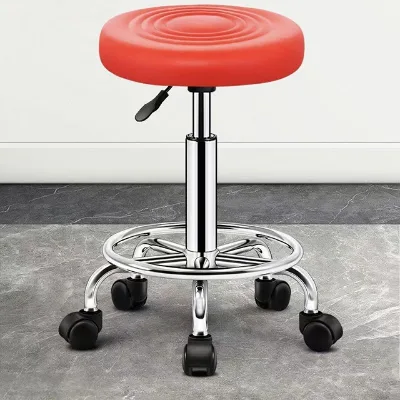
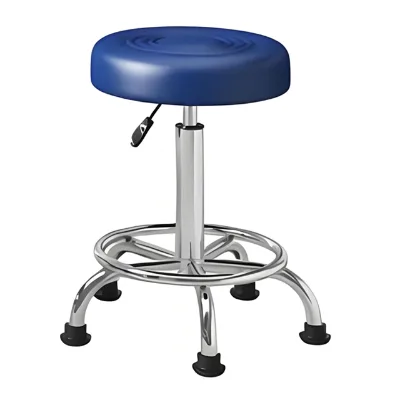


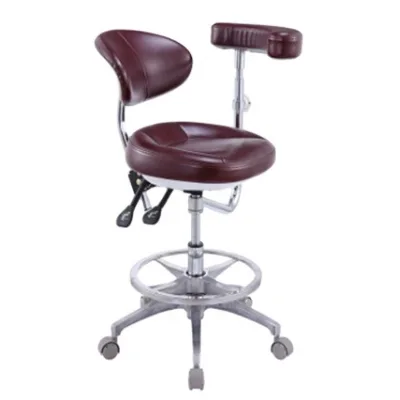




Comprehensive Sourcing Guide
Rolling Swivel Medical Stool Sourcing Guide
Procuring rolling swivel medical stools requires a disciplined approach to balancing ergonomic functionality with clinical durability. These stools are essential fixtures in environments ranging from dental operatories to surgical suites, where practitioners must maintain stable, adjustable seating for extended periods. The core value proposition lies in the stool’s ability to support dynamic movement while providing reliable height adjustment and rotational freedom. Buyers must prioritize components that withstand frequent use, such as high-density foam cushions and robust gas lift mechanisms, to ensure long-term comfort and safety for medical staff.
The market offers a variety of configurations, including models with and without backs or armrests, tailored to specific procedural needs. For instance, stools designed for operating rooms may feature minimalist designs without backs to facilitate easier cleaning and movement, while those used in clinics might include back support for added comfort during consultations. Understanding these variations is critical for aligning product selection with the specific workflow of the healthcare facility. Procurement teams should evaluate the trade-offs between mobility, support, and hygiene to select the most appropriate configuration for their unique operational requirements.
Product Scope and Observed Listing Signals
Current market listings indicate a diverse range of rolling swivel medical stools, with observed price points spanning from $0.01 to $299 USD. This wide variance suggests a spectrum of quality tiers, from basic utility models to premium ergonomic solutions. Buyers should interpret these price ranges as indicative of differing material compositions and feature sets rather than absolute value judgments. Lower-priced items may lack advanced ergonomic features or durable materials, while higher-priced options often include premium components such as stainless steel legs and high-density foam cushions.
Minimum Order Quantities (MOQs) typically range from 1 to 200 pieces, reflecting the flexibility of suppliers to accommodate both small-scale replacements and large-scale facility outfitting. Some suppliers offer an MOQ of 30 pieces, which is a common threshold for bulk procurement, while others may accept single-unit orders for testing or small clinics. The availability of customization options, including OEM services and tailored designs, allows buyers to align product specifications with their brand identity or specific clinical needs. This flexibility is particularly valuable for healthcare networks seeking uniformity across multiple locations.
Technical Specifications to Verify
When evaluating technical specifications, the gas lift mechanism is a critical component that determines the stool’s height adjustment range and load-bearing capacity. Listings often reference gas springs that meet BIFMA Standard Class 3, which typically supports a 200mm stroke and is rated for heavy-duty use. Buyers should verify the specific class and stroke length of the gas lift to ensure it meets the weight requirements of the intended users. A 120mm gas lift, for example, may be suitable for lighter-duty applications, while a 200mm lift offers greater versatility for diverse user heights.
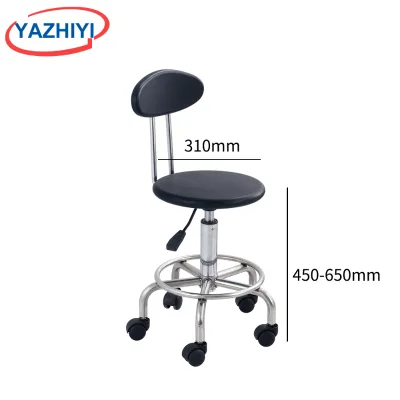
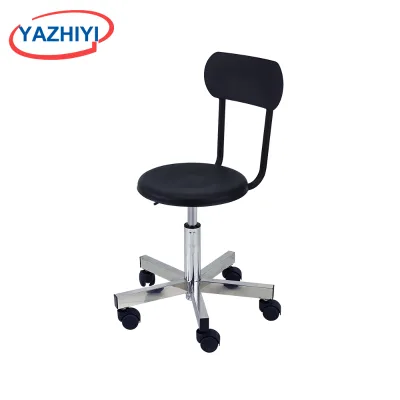
The base and caster configuration significantly impacts stability and floor protection. Chrome five-star bases are common, providing a sturdy foundation for the stool, while PU mute casters ensure smooth, quiet movement without damaging flooring. The seat construction, often involving a 13mm board inside with high-density foam (35-40 kg/m³), contributes to long-term comfort and durability. Buyers should also consider the cushion material, with leather being a popular choice for its ease of cleaning and resistance to wear. Additionally, the overall dimensions, such as 50 x 50 x 58-94 cm, should be checked to ensure compatibility with existing furniture and workspace layouts.
Compliance and Safety Documentation
Safety and compliance are paramount in medical environments, where equipment must meet rigorous standards to protect both patients and staff. Buyers should request documentation that verifies the gas lift mechanism’s compliance with recognized safety standards, such as BIFMA Class 3. This certification ensures that the gas spring has undergone rigorous testing for pressure retention and load capacity, reducing the risk of sudden collapse or failure during use. Without such verification, the stool may pose a significant safety hazard in high-stakes medical settings.
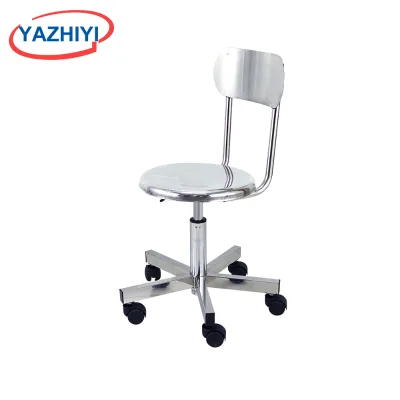
In addition to mechanical safety, buyers should inquire about the materials’ compliance with health and hygiene regulations. Leather cushions and stainless steel legs are often preferred for their resistance to bacterial growth and ease of disinfection. However, specific certifications regarding material safety, such as low-VOC emissions or antimicrobial treatments, may be required depending on local regulations. Procurement teams should ensure that all components, from the foam padding to the caster wheels, meet the necessary health standards for medical facilities.
Cost Drivers and Commercial Terms
Several factors influence the total cost of ownership for rolling swivel medical stools, including material quality, customization options, and order volume. High-density foam, stainless steel legs, and PU mute casters are premium features that increase the unit price but offer greater durability and comfort. Customization, such as OEM branding or specific color schemes, may also add to the cost. Buyers should weigh these upfront expenses against the long-term benefits of reduced replacement frequency and improved staff satisfaction.
Commercial terms, including payment methods and lead times, also play a crucial role in procurement planning. Common payment terms include T/T (Telegraphic Transfer), which is widely accepted in international trade. Lead times typically range from 15 to 20 days, depending on the order size and customization requirements. Buyers should factor in these timelines when planning facility upgrades or replacements to avoid disruptions in clinical operations. Additionally, packaging details, such as carton or CKD (Completely Knocked Down) formats, can impact shipping costs and storage requirements.
Supplier Qualification and Quality Control
Selecting a reliable supplier is essential for ensuring the quality and consistency of rolling swivel medical stools. Buyers should verify the supplier’s business type, whether they are a manufacturer or a factory, as this can impact pricing and quality control processes. Manufacturers often have greater control over the production process, allowing for more stringent quality checks and customization options. However, reputable factories can also provide high-quality products at competitive prices, so due diligence is necessary to assess their capabilities.
Quality control measures should include inspections of key components, such as the gas lift, base, and casters, to ensure they meet specified standards. Buyers should request sample units for testing before placing bulk orders to evaluate comfort, stability, and durability. Additionally, suppliers should provide clear information on their warranty policies, with many offering a 3-year warranty on their products. This warranty coverage provides an additional layer of protection for buyers, ensuring that any defects or failures are addressed promptly.
Long-Term Procurement Checks
Long-term procurement success depends on establishing a sustainable supply chain that can adapt to changing clinical needs and technological advancements. Buyers should regularly review supplier performance, including delivery times, product quality, and customer service, to ensure continued satisfaction. Building a strong relationship with suppliers can facilitate better pricing, priority production, and access to new product innovations. Regular audits of the installed base can also help identify potential issues early, allowing for proactive maintenance or replacement.
As medical practices evolve, the requirements for rolling swivel medical stools may change, necessitating periodic reassessment of product specifications. Buyers should stay informed about industry trends, such as new ergonomic designs or advanced materials, to ensure their equipment remains competitive and effective. Engaging with healthcare professionals to gather feedback on current stools can provide valuable insights for future procurement decisions. By maintaining a flexible and informed approach, buyers can optimize their investment in medical seating solutions.
FAQs
What customization options are available for this medical stool?
Customization is available for this Rolling Swivel Medical Stool to meet specific needs. The product supports OEM services and can be tailored as a customized unit for hospital or clinic environments.
Which models are available for this Rolling Swivel Medical Stool?
Available models include HY5003, HY6010, and HY4008 with varying dimensions. These models feature adjustable heights and specific uses such as dental or operating room applications.
Can the stool height be adjusted for different users?
Yes, the stool height is adjustable to accommodate various user requirements. It utilizes a gas spring mechanism that meets BIFMA Class 3 standards for reliable performance.
What is the lead time for ordering this medical stool?
The lead time for this product is typically 15 to 20 days. This duration applies to standard orders placed with the manufacturer for delivery from China.
How is the stool packaged for shipping?
The stool is packaged in cartons with one piece per carton. Some models may also be available in CKD packing for efficient transport and assembly.
What warranty is provided for this Rolling Swivel Medical Stool?
A three-year warranty is provided for this medical stool. This coverage ensures durability and reliability for professional use in hospitals and research institutes.